
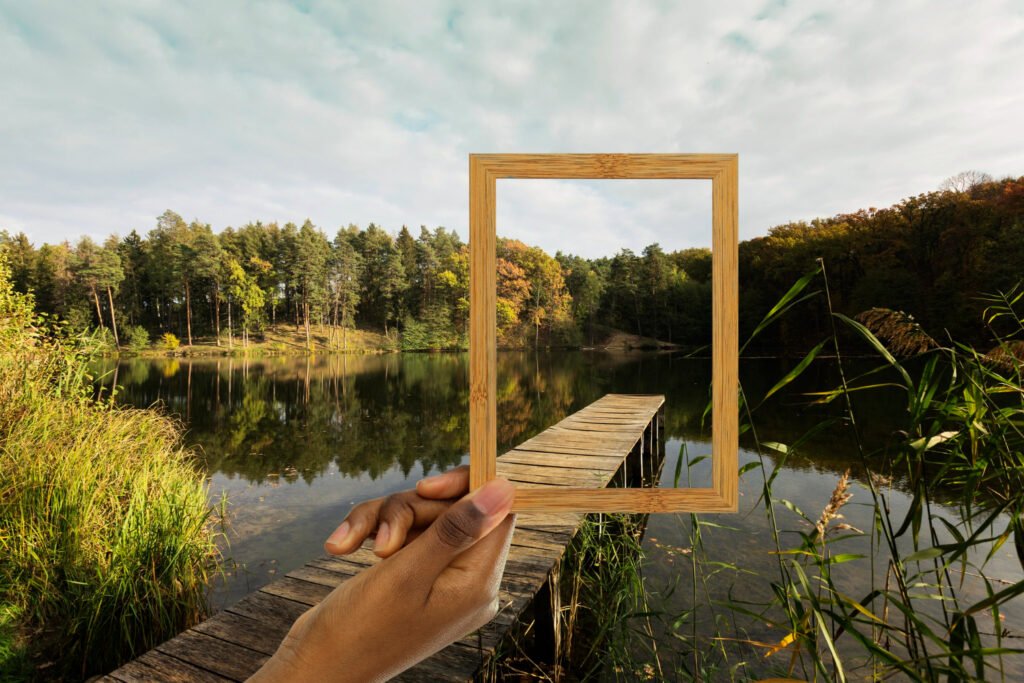
Nature has always inspired artists, writers and designers to see the world differently. From delicate leaf patterns to colourful sunsets, the natural world offers endless possibilities for imagination. Today, nature-inspired creative work is influencing fashion, photography, interior design and contemporary art, encouraging people to find beauty in their surroundings.
As people seek fresh ideas and meaningful ways to express themselves, nature is inspiring a new wave of creativity. A women magazine uk can explore this trend through stories about botanical fashion, sustainable interiors, outdoor photography and creative wellbeing. After all, inspiration does not always require a grand adventure. Sometimes, it begins with sunlight entering a room or the unusual shape of a flower.
Finding Inspiration in the Great Outdoors
Spending time outdoors allows us to slow down and notice details that busy routines often hide. A woodland walk, an afternoon beside a lake or a quiet moment in a garden can create space for fresh ideas. Stepping away from screens also gives the mind an opportunity to explore different perspectives.
For writers, ocean waves might inspire a thoughtful passage, while painters may discover new colours in autumn leaves. Photographers can experiment with natural light, and designers might find interesting shapes in tree branches. Nature also teaches us to appreciate imperfections, reminding us that originality often comes from experimenting rather than following familiar rules.
Small Details, Extraordinary Ideas
Some of nature’s greatest creative possibilities exist in the smallest details. The veins of a leaf, the structure of a seashell and the repeating shapes of a honeycomb demonstrate how beauty and function can work together.
Designers frequently translate these observations into their work. Fashion collections might feature botanical prints, while ceramic artists recreate the uneven textures of stones. Interior designers can draw inspiration from earthy colours and organic shapes.
However, creativity involves more than copying nature. It means interpreting its details in a personal way. Photograph an interesting shadow, sketch a flower or collect colour ideas during a walk. These simple habits can help develop an individual creative style.
Nature’s Influence on Fashion and Interiors
Nature-inspired design is becoming increasingly visible in clothing and home decoration. Earthy colours, flowing shapes, botanical prints and natural textures bring warmth to contemporary spaces and personal style.
In fashion, designers experiment with linen, floral embroidery and shades inspired by forests, deserts and oceans. Similarly, interiors often feature wooden furniture, stone surfaces, handmade ceramics and indoor plants. Natural light adds another dimension, changing the atmosphere of a room throughout the day.
These choices can also encourage more thoughtful living. Repairing furniture, reusing materials and choosing durable items can combine creativity with responsible consumption. However, natural-looking designs are not automatically sustainable; material sourcing and production methods matter too.
Digital Creativity Meets Nature
Technology offers new ways to explore the natural world. Digital artists combine landscape photography, organic patterns and imaginative illustrations to create striking visuals. Filmmakers use natural scenery alongside digital effects, while photographers share inspiring images with audiences worldwide.
Social media helps creative ideas travel across cultures. A photograph of mountain mist might inspire an artist thousands of miles away, while a video of a growing plant could encourage someone to try botanical photography.
Nevertheless, constant scrolling can sometimes make original thinking difficult. Spending time outdoors and observing nature directly helps people develop their own ideas instead of simply following trends. Technology can support creativity, but personal curiosity remains essential.
Simple Ways to Bring Nature Into Your Creative Routine
You do not need professional equipment or artistic experience to begin. Small activities can help you notice creative possibilities in everyday surroundings.
- Keep a journal: Record interesting colours, shapes and observations.
- Try photography: Capture flowers, reflections, shadows and changing weather.
- Create a mood board: Collect natural textures and landscape images.
- Explore crafts: Experiment with drawing, pottery or responsibly sourced materials.
- Take mindful walks: Notice details you would usually overlook.
The goal is to enjoy the process rather than produce something perfect. A simple sketch or photograph can become the starting point for a larger project. Over time, paying attention to nature can help creativity feel more natural and accessible.
Creating With the Planet in Mind
Nature also encourages artists and designers to reconsider waste and material choices. Reclaimed wood can become furniture, leftover fabrics can be transformed into accessories, and discarded objects can inspire original artworks.
These approaches show how limitations can encourage inventive thinking. Instead of purchasing something new, people can explore ways to repair, reuse or redesign what they already own.
However, responsible creativity requires more than an earthy colour palette or botanical pattern. Durability, sourcing, manufacturing and disposal all influence a product’s environmental impact. When creative decisions consider these factors, inspiration from nature can become a meaningful step towards more thoughtful design.
Conclusion: Let Nature Lead the Way
Nature is inspiring a new wave of creativity by encouraging people to observe, experiment and discover beauty in ordinary moments. Its colours, patterns and textures influence everything from fashion and photography to interior design and digital art.
More importantly, nature reminds us that creativity does not require expensive tools or extraordinary experiences. Sometimes, a quiet walk or a closer look at a garden is enough to spark an idea.
Take time to notice your surroundings, follow your curiosity and allow inspiration to develop naturally. Your next creative breakthrough might be waiting just outside your door.