
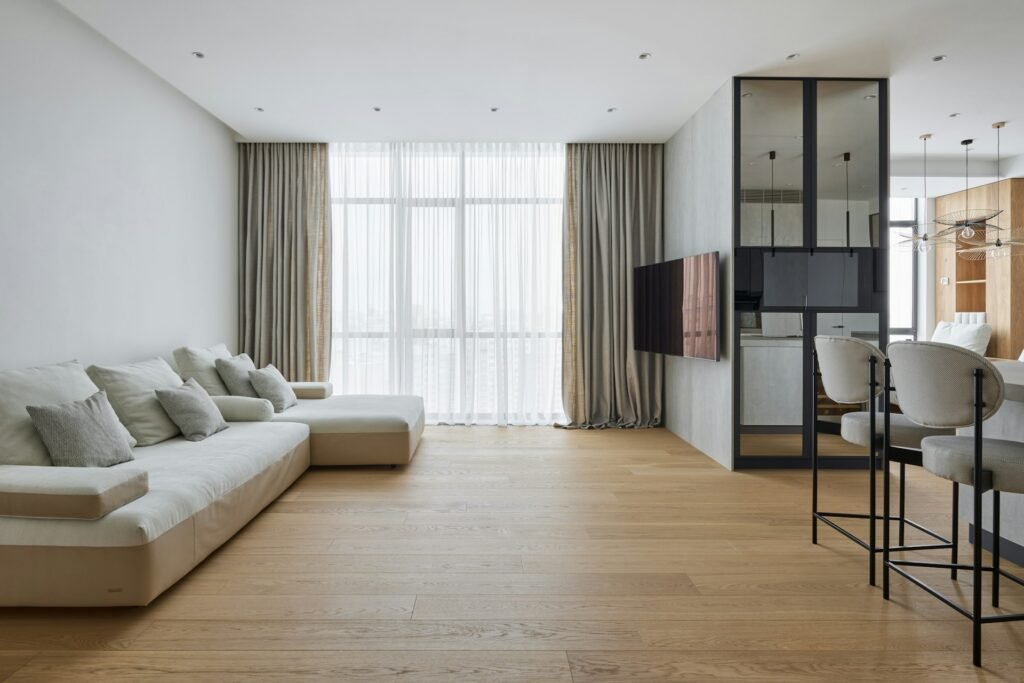
Luxury living across the Middle East is settling into a more considered phase. Homeowners and developers are moving away from heavy ornament and short-lived statements towards spaces that prioritise material quality, climate suitability and everyday comfort. The focus is on longevity, cultural relevance and practical performance in a region defined by intense heat, humidity and strong sunlight.
This shift is especially clear in interior design Dubai, where projects now balance refined aesthetics with the technical demands of the local climate and lifestyle. The result is homes that feel calmer, more tactile and better aligned with how people actually live.
Material Quality Over Surface Decoration
The strongest direction this year is material-led design. Instead of layering decorative details that date quickly, designers and owners are selecting surfaces that carry the space on their own. Natural stone, high-performance engineered timber, textured metals and carefully detailed joinery are preferred because they age well and require less frequent replacement.
In practice this means floors and walls do more of the visual work. Large-format stone or porcelain with subtle veining, herringbone or chevron timber, and solid or veneered joinery with precise edges create depth without relying on pattern or colour alone. These choices also respond to the climate: materials need to handle UV exposure, temperature swings and coastal humidity without warping, fading or etching.
When specifying, it is worth checking performance data for heat and moisture resistance rather than relying on appearance alone. A beautiful surface that deteriorates within a few seasons quickly loses its appeal. Many professionals working in interior design Dubai now treat material performance as a core part of the brief rather than a secondary check.
Contemporary Interpretations of Regional Heritage
A parallel trend is the thoughtful use of Arabic and Gulf design references. The older approach of dense pattern and heavy ornament has given way to cleaner geometry, restrained colour fields drawn from local landscapes, and spatial ideas rooted in traditional courtyard and majlis layouts.
This does not mean recreating historical interiors. It means borrowing proportions, light control and material honesty while keeping the overall language contemporary. Soft arches, carefully proportioned screens, and natural tones of sand, limestone and warm neutrals appear frequently. The aim is cultural specificity without pastiche.
Owners should consider how these elements serve daily life. Screens and layered openings can improve privacy and light management in dense urban settings, while open yet defined gathering spaces support the social patterns still central to many households.
Quiet Luxury and Sensory Comfort
Quiet luxury has matured from a colour palette into a broader standard. The emphasis is on proportion, craftsmanship and tactile quality rather than visible branding or high contrast. Neutral bases of ivory, greige, soft clay and warm beige provide a calm backdrop, allowing texture and light to do the work.
Lighting design has become more deliberate. Layered schemes that combine ambient, task and accent sources, often with circadian-friendly controls, help spaces feel restorative. Acoustics and air quality are receiving similar attention, reflecting a wider interest in wellness within the home.
These priorities suit both new villas and apartment renovations. In high-rise living, where external noise and limited outdoor space are common, the interior must work harder to create a sense of calm and privacy.
Outdoor Spaces Treated as Part of the Interior
Outdoor living continues to expand, but the quality of execution has risen. Covered terraces, outdoor kitchens and poolside seating areas are now designed to the same standard as internal rooms. Performance fabrics, weather-resistant stone and timber, and integrated lighting and shade systems make these zones usable for longer periods of the year.
Key practical points include:
- Choosing materials rated for prolonged UV and heat exposure
- Planning shade and airflow to reduce reliance on mechanical cooling
- Ensuring outdoor furniture and joinery meet the same durability expectations as indoor pieces
- Coordinating drainage, irrigation and lighting early in the design process
Treating the outdoor area as an extension of the plan rather than an afterthought improves both daily use and long-term value.
Smart Systems Kept Invisible
Technology remains important, yet the preference is for systems that disappear into the fabric of the building. Lighting, climate, shading and security controls are increasingly integrated so that switches and screens do not dominate surfaces. Infrastructure is planned during the design stage so that cabling and hardware remain concealed.
This approach supports cleaner architecture and reduces visual clutter. It also requires early coordination between designers, MEP consultants and the chosen control platform. Retrofitting complex systems later is usually more disruptive and costly.
Sustainability as a Practical Requirement
Sustainability has moved from marketing language into specification decisions. Durable materials that last longer reduce the need for frequent refits. Locally or regionally sourced stone and timber, where performance allows, and certified engineered products are becoming more common. Low-VOC finishes and efficient lighting further support healthier indoor environments.
The climate itself drives many of these choices. Surfaces that resist fading and movement perform better over time, which is both environmentally and economically sensible.
Practical Considerations for Owners
Selecting trends that suit the specific property and household remains essential. A villa with generous outdoor space can lean more heavily into biophilic and outdoor living elements. An apartment may prioritise acoustic privacy, flexible lighting and durable flooring that handles high foot traffic.
Climate performance should sit alongside aesthetics from the start. Materials that look perfect in a showroom may not suit west-facing elevations or coastal humidity. Professional advice is useful when coordinating permits, MEP systems and authority requirements, especially on new-handover or renovation projects where programme and compliance risks are higher. Experienced teams in interior design Dubai routinely factor these constraints into the early concept stage so that the finished result remains both beautiful and practical.
Budget allocation also matters. Investing in fewer, better-detailed surfaces and joinery usually delivers a more coherent result than spreading spend thinly across many decorative features.
FAQs
Q.1 What materials are most suitable for luxury interiors in the Middle East climate?
Natural stone with proven UV and heat resistance, high-quality engineered timber, and performance ceramics or porcelain work well. Surfaces should be selected for dimensional stability and resistance to fading or etching rather than appearance alone.
Q.2 How is contemporary Arabic design different from traditional styles?
It draws on local spatial ideas, proportions and landscape colours while using cleaner geometry and refined detailing. The goal is cultural relevance without dense ornament or historical reproduction.
Q.3 Why is outdoor living receiving more attention this year?
Covered terraces and outdoor kitchens are now designed to the same standard as internal rooms, extending usable living space and supporting the region’s social lifestyle when shade, materials and systems are properly planned.
Q.4 Should smart home systems be specified early?
Yes. Concealed infrastructure works best when planned during design. Retrofitting complex controls later often requires more disruption and can compromise the architectural finish.
Q.5 How can owners balance current trends with long-term value?
Prioritise durable materials, good proportions and climate-appropriate performance. Trends that rely on short-lived finishes or heavy decoration tend to date faster and require more frequent updating.
Conclusion
This year’s luxury interiors in the Middle East favour material integrity, cultural clarity and practical comfort over decorative excess. Natural surfaces, restrained regional references, thoughtful outdoor extensions and discreet technology create homes that feel settled rather than showy.
Owners who focus on climate performance, durable detailing and spaces that support daily life will achieve results that remain relevant beyond any single season. Early coordination of design, technical systems and material choices remains the most reliable route to a successful outcome.