
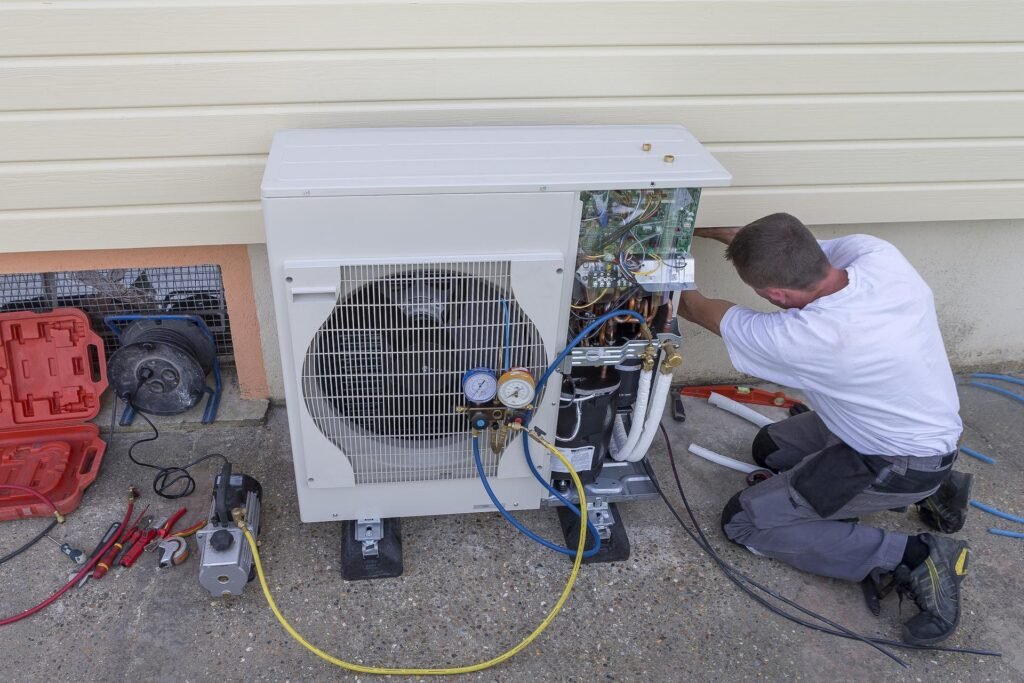
A heat pump that fails to heat in winter or cool in summer can quickly disrupt daily comfort. While the system is designed to operate year-round, minor issues can quietly degrade its performance. Understanding the causes early helps prevent breakdowns, higher energy bills, and unnecessary replacements.
Heat pumps are valued for their efficiency and versatility. They heat your home in winter and cool it in summer using the same system. However, when performance drops, homeowners are often left confused. The unit is running, but the rooms remain cold. Or it blows air, yet temperatures barely change.
This guide breaks down the most common reasons heat pumps fail to heat or cool effectively. It explains what you can check yourself, what requires professional attention, and when repairs should not be delayed. If you are already considering heat pump repair in Bensonhurst, Brooklyn, understanding these issues will help you make informed decisions.
Section 1: How a Heat Pump Is Supposed to Work
Before diagnosing problems, it is important to understand normal operation.
A heat pump does not generate heat the way a furnace does. Instead, it moves heat. In winter, it draws heat from outdoor air and transfers it indoors. In summer, the process reverses, removing heat from your home and releasing it outdoors. Because of this design, even minor issues can affect performance in both heating and cooling modes.
When something interrupts airflow, refrigerant movement, or temperature sensing, the system struggles. The result is uneven comfort, longer run times, and higher energy use.
Key components that must work together include:
- The indoor and outdoor coils
- The compressor
- The refrigerant lines
- The thermostat and sensors
- Air filters and ductwork
If any one part is compromised, efficiency drops quickly.
Section 2: Thermostat and Settings Issues That Affect Performance
Thermostat problems are one of the most overlooked causes of heat pump issues.
Sometimes the system is working, but incorrect settings prevent proper operation. This often happens during seasonal changes when the thermostat is not adjusted correctly.
Common thermostat-related problems include:
- Incorrect mode selected (cool instead of heat, or vice versa)
- Temperature set too close to room temperature
- Dead batteries are causing delayed signals
- Faulty sensors misreading indoor conditions
Even smart thermostats can develop calibration issues over time. If the thermostat does not communicate accurately, the heat pump responds poorly.
Before assuming a major failure, confirm:
- The thermostat is set to the correct mode
- The temperature difference is at least a few degrees
- Batteries are fresh
- The display responds normally
If problems persist, professional diagnosis may be necessary.
Section 3: Restricted Airflow and Dirty Components
Airflow is essential for heat transfer. When airflow is restricted, the system cannot move heat efficiently.
One of the most common reasons for poor heating or cooling is a dirty air filter. Over time, dust and debris block airflow, forcing the heat pump to work harder while delivering less comfort.
Other airflow-related issues include:
- Blocked supply or return vents
- Dirty indoor coils
- Dust-filled ductwork
- Obstructions around the outdoor unit
Restricted airflow leads to uneven temperatures and increased energy bills. It can also cause the system to overheat or freeze up, leading to further damage.
Regular maintenance, especially before peak seasons, significantly reduces these risks. Many service calls for heat pump repair in Bensonhurst, Brooklyn begin with airflow problems that could have been prevented with basic upkeep.
Section 4: Refrigerant Problems and Their Impact
Refrigerant is the substance that carries heat through the system. If levels are incorrect, performance suffers.
Low refrigerant does not mean it was “used up.” It usually indicates a leak. When refrigerant escapes, the heat pump loses its ability to absorb and release heat efficiently.
Signs of refrigerant problems include:
- Weak heating or cooling output
- Ice forming on coils
- Hissing or bubbling sounds
- Longer run times with little effect
Refrigerant issues should never be handled without proper training. Improper handling can damage the system and pose safety risks. A licensed technician can locate leaks, repair them, and restore correct levels safely.
Section 5: Outdoor Unit Issues During Extreme Weather
The outdoor unit plays a critical role year-round. Its condition directly affects indoor comfort.
In winter, ice buildup can interfere with heat transfer. In summer, debris and dirt reduce cooling efficiency. While heat pumps are designed to operate in various conditions, they still need clear airflow and clean surfaces.
Common outdoor unit problems include:
- Leaves or debris blocking airflow
- Ice accumulation during cold weather
- Bent fins reducing heat exchange
- Poor drainage causing standing water
Keeping the area around the outdoor unit clear and inspecting it periodically helps maintain steady performance. Ignoring outdoor issues often leads to system strain and premature failure.
Section 6: Electrical and Control System Failures
Heat pumps rely on electrical components to function properly.
When relays, capacitors, or control boards malfunction, the system may start but fail to deliver heating or cooling. In some cases, it may cycle on and off repeatedly.
Electrical issues may show up as:
- The unit not turning on at all
- Sudden shutdowns
- Inconsistent operation
- Error codes on modern systems
Because these components regulate power flow and safety, professional diagnosis is essential. Attempting repairs without proper expertise can cause further damage.
Section 7: When Maintenance Has Been Skipped Too Long
Heat pumps are low-maintenance compared to traditional systems, but they are not maintenance-free.
Over time, small issues accumulate. Dust builds up. Components wear down. Sensors drift out of calibration. Eventually, performance drops noticeably.
Regular inspections help identify:
- Worn electrical parts
- Early refrigerant leaks
- Declining airflow
- Failing motors or fans
Annual servicing improves reliability and extends system lifespan. It also reduces the likelihood of emergency breakdowns during extreme temperatures.
Section 8: Knowing When Repair Is Better Than Replacement
Not every performance issue means replacement is necessary.
In many cases, targeted repairs restore full functionality. However, older systems with repeated failures may reach a point where repairs are no longer cost-effective.
Consider replacement if:
- Repairs are frequent and expensive
- The system is over 12–15 years old
- Energy bills keep rising despite repairs
- Comfort issues persist across seasons
A professional assessment helps weigh repair versus replacement realistically.
Section 9: Preventive Steps to Avoid Future Problems
Preventive care reduces the risk of heating and cooling failures.
Simple habits make a noticeable difference:
- Replace air filters regularly
- Keep outdoor units clear
- Schedule annual inspections
- Monitor unusual sounds or performance changes
These steps improve efficiency and reduce long-term costs.
Conclusion:
A heat pump that fails to heat or cool properly does not always signal a major breakdown. In many cases, the issue is linked to airflow, settings, or routine maintenance gaps. By understanding how the system works and recognising early warning signs, homeowners can act before small problems escalate.
When professional attention is needed, timely repair protects comfort, efficiency, and system lifespan. With proper care, a heat pump remains one of the most reliable and energy-efficient solutions for year-round indoor comfort.