
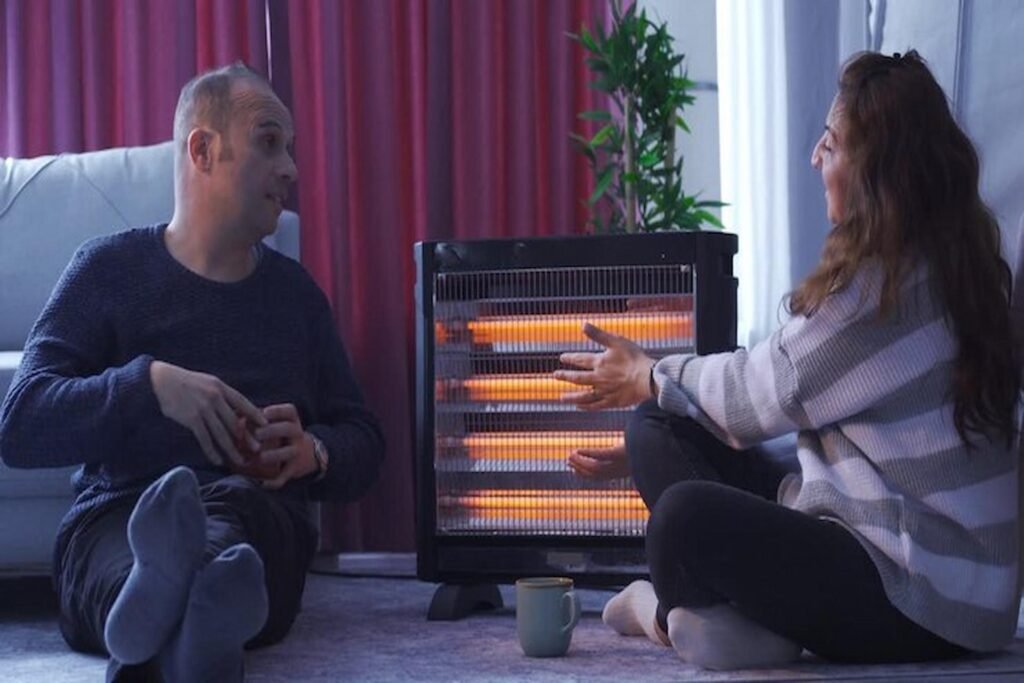
There is nothing more frustrating during colder months than stepping into a chilly room while your energy bills continue to rise. Many homeowners assume higher heating costs are simply unavoidable during winter, but in many cases, the real issue lies within the heating system itself. Poor performance, hidden faults, and outdated equipment can all reduce efficiency while making your home feel far less comfortable than it should.
A reliable heating service can often identify problems long before they become expensive emergencies. From uneven temperatures to systems that constantly cycle on and off, the warning signs are usually there. Ignoring them not only affects comfort but can also lead to unnecessary energy waste and costly repairs over time.
Why Heating Systems Lose Efficiency
Heating systems naturally experience wear and tear as they age. Components become less effective, filters clog, and airflow can become restricted. Even systems that still appear to be working may consume far more energy than necessary.
Older boilers and furnaces are especially prone to reduced efficiency. Many systems installed over a decade ago were not designed to meet modern energy standards, meaning they often require more fuel or electricity to produce the same level of heat.
Small issues can also have a surprisingly large impact. A faulty thermostat, blocked vents, or poorly insulated ductwork can force the system to work harder than it should. Over time, this increases energy usage and shortens the lifespan of the equipment.
Common Signs Your Heating System May Be the Problem
Many heating issues develop gradually, making them easy to overlook at first. However, certain warning signs often indicate that professional attention is needed.
Some of the most common indicators include:
- Rooms that heat unevenly throughout the house
- Heating systems running constantly without reaching the desired temperature
- Unusual noises such as banging, rattling, or whistling
- Sudden increases in energy bills
- Weak airflow from vents or radiators
- Frequent cycling on and off
- Cold spots near windows or interior walls
These problems may seem minor individually, but together they often point towards declining system performance. Booking a professional heating service at an early stage can help prevent more serious breakdowns later.
The Hidden Cost of Ignoring Heating Problems
Many homeowners delay repairs because the system still technically works. Unfortunately, inefficient heating systems rarely improve on their own. In fact, continuing to operate a struggling system often increases overall running costs.
When heating equipment operates inefficiently, it uses more energy to maintain indoor temperatures. This means you pay more while receiving less comfort. Over time, the added strain also increases the likelihood of component failure.
Minor repairs that could have been resolved quickly may eventually develop into major mechanical problems. A damaged blower motor, leaking boiler, or failing heat exchanger can result in far more expensive repairs if ignored for too long.
There is also the issue of indoor comfort. Poor heating performance can create damp conditions, condensation, and inconsistent temperatures throughout the home. These issues not only affect comfort but may also contribute to Mold growth and poor indoor air quality.
How Maintenance Improves Heating Performance
Routine maintenance is one of the most effective ways to improve heating efficiency and reduce long-term costs. Professional inspections allow technicians to identify worn components, airflow issues, and safety concerns before they worsen.
A comprehensive maintenance visit may include:
- Cleaning internal components
- Replacing or cleaning filters
- Testing thermostat accuracy
- Checking for leaks or pressure issues
- Inspecting electrical connections
- Lubricating moving parts
- Evaluating airflow and ventilation
Regular servicing also helps heating systems operate more consistently. When equipment runs efficiently, it requires less energy to maintain comfortable temperatures throughout the home.
Many homeowners only contact a heating service after a breakdown occurs. However, preventative maintenance is often far more affordable than emergency repairs or full system replacement.
Could Your Thermostat Be Causing Problems?
Sometimes the issue is not the heating unit itself but the thermostat controlling it. Older thermostats may provide inaccurate readings, causing the system to overheat or underheat the home.
Programmable and smart thermostats can improve both comfort and efficiency. These devices allow homeowners to create heating schedules based on occupancy, reducing unnecessary energy use during periods when nobody is home.
Incorrect thermostat placement can also create problems. If positioned near draughts, direct sunlight, or heat-producing appliances, the thermostat may misread the room temperature and cause inefficient system operation.
Even small adjustments can make a noticeable difference in monthly energy usage and overall comfort levels.
When It May Be Time for a Replacement
Repairs and maintenance can solve many heating issues, but older systems eventually reach a point where replacement becomes the more practical option.
If your heating system requires frequent repairs, struggles to maintain temperature, or causes consistently high energy bills, replacement may offer better long-term value. Modern heating systems are significantly more energy efficient and often provide more reliable temperature control.
A professional heating service can assess whether repair or replacement is the most cost-effective solution. Factors such as system age, repair history, energy performance, and household heating needs all play a role in that decision.
Upgrading to a modern system may also improve indoor air quality, reduce noise levels, and provide more consistent heating throughout the property.
Simple Ways to Reduce Heating Costs at Home
Alongside professional maintenance, homeowners can take several practical steps to improve heating efficiency.
Helpful habits include:
- Keeping vents and radiators unobstructed
- Replacing filters regularly
- Sealing drafts around windows and doors
- Using curtains to retain heat during evenings
- Setting realistic thermostat temperatures
- Scheduling annual heating inspections
These small adjustments can reduce unnecessary strain on the system while helping maintain a more comfortable indoor environment.
Conclusion
Cold rooms and rising energy bills are often signs that a heating system is no longer operating efficiently. While some issues may appear minor at first, neglected heating problems can gradually increase energy consumption, reduce comfort, and lead to expensive repairs. Regular maintenance, prompt repairs, and modern energy-efficient upgrades all play an important role in keeping heating systems reliable and cost-effective.
A trusted heating service can help identify hidden inefficiencies, improve system performance, and ensure your home stays consistently warm throughout colder seasons. Addressing heating problems early not only protects your comfort but can also reduce long-term household expenses and extend the lifespan of your equipment.