
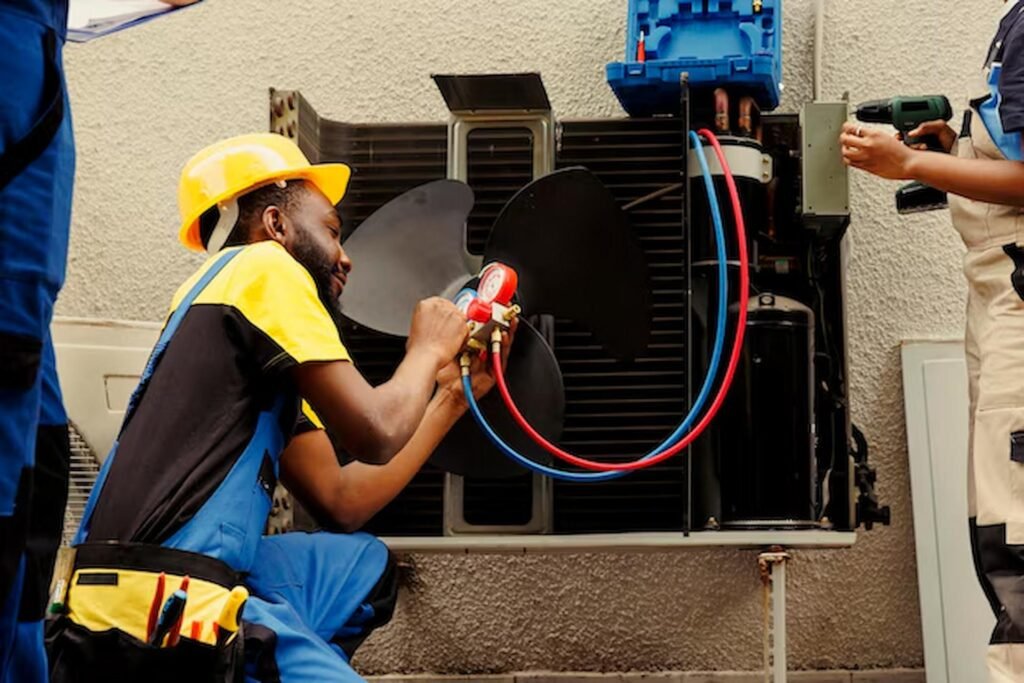
Rising energy costs have encouraged many homeowners to rethink how their homes use electricity and heating. Heating and cooling systems are essential for indoor comfort, but they also account for a large portion of household energy consumption. While upgrading an HVAC unit can improve efficiency, the performance of that system depends heavily on the condition of the home itself.
Energy-efficient home upgrades help heating and cooling systems operate more effectively by reducing energy loss and maintaining stable indoor temperatures. When insulation, airflow, lighting, and smart technology work together, HVAC systems run less frequently and consume less energy. This integrated approach helps homeowners lower monthly energy bills while maintaining a comfortable living environment throughout the year.
Why Whole-Home Efficiency Matters for HVAC Systems
HVAC systems are responsible for regulating temperature and maintaining indoor comfort, but they cannot perform efficiently if the home loses energy through leaks, poor insulation, or outdated equipment.
Several factors influence HVAC performance:
- Heat escaping through poorly insulated walls or attics
- Air leaks around windows and doors
- Inefficient lighting and appliances increasing indoor heat
- Poor airflow through ducts and vents
When a home loses heat during winter or absorbs excess heat during summer, the HVAC system must run longer to maintain the desired temperature. Over time, this additional workload increases energy consumption and accelerates system wear.
Improving whole-home efficiency reduces this strain and allows HVAC systems to perform more consistently.
Improve Insulation to Reduce HVAC Workload
One of the most effective upgrades for improving HVAC performance is upgrading insulation. Insulation acts as a thermal barrier that slows the transfer of heat between the inside and outside of a home.
Attic Insulation Improvements
Attics are one of the most common sources of heat loss in winter and heat gain during summer. Without proper insulation, warm air escapes easily, forcing heating systems to work harder.
Adding or upgrading attic insulation helps:
- Maintain indoor temperature stability
- Reduce heating and cooling demand
- Improve overall energy efficiency
Wall and Floor Insulation
Exterior walls and crawl spaces also contribute to energy loss if they are not properly insulated. Insulating these areas helps retain conditioned air inside the home and prevents outdoor temperatures from influencing indoor comfort.
Together, these insulation upgrades allow HVAC systems to operate more efficiently while reducing energy consumption.
Seal Air Leaks to Maintain Indoor Temperature
Even small air leaks can significantly affect a home’s energy efficiency. Gaps around doors, windows, and vents allow conditioned air to escape and outdoor air to enter.
Common areas where air leaks occur include:
- Window frames
- Door thresholds
- Electrical outlets on exterior walls
- Attic access panels
- Plumbing and vent openings
Sealing these leaks with caulking or weatherstripping prevents unwanted airflow and helps maintain stable indoor temperatures. With fewer temperature fluctuations, HVAC systems can maintain comfort without excessive cycling.
Upgrade Lighting for Better Energy Efficiency
Lighting upgrades are often overlooked when homeowners focus on improving HVAC efficiency, yet modern lighting systems can significantly reduce electricity usage and heat generation inside the home.
Traditional incandescent bulbs generate heat as well as light. This excess heat can raise indoor temperatures, especially during warmer months, causing air conditioning systems to work harder.
Switching to LED lighting provides several benefits:
- Lower electricity consumption
- Reduced heat output
- Longer bulb lifespan
- Improved brightness and visibility
In addition to improving indoor lighting efficiency, exterior lighting upgrades can enhance safety and reduce power usage around the property. Homeowners researching indoor and outdoor lighting in Gresham, OR often discover that modern lighting installations improve visibility while supporting overall energy efficiency.
Upgrading lighting systems is a simple but effective step toward reducing energy demand and improving household efficiency.
Install Smart Thermostats for Better HVAC Control
Smart thermostats have become one of the most popular upgrades for improving HVAC efficiency. These devices allow homeowners to automate temperature settings and optimize heating and cooling schedules based on daily routines.
Smart thermostat features include:
- Programmable temperature schedules
- Remote control through mobile apps
- Energy usage monitoring
- Smart sensors that detect occupancy
For example, temperatures can be automatically reduced when the home is empty and adjusted before residents return. This reduces unnecessary HVAC operation and lowers energy consumption without sacrificing comfort.
Over time, smart thermostats help homeowners better understand how their heating and cooling systems operate and identify opportunities for additional energy savings.
Improve Ventilation and Indoor Airflow
Proper airflow is essential for HVAC systems to operate efficiently. Poor ventilation or blocked ducts can cause uneven temperatures and force heating and cooling equipment to work harder than necessary.
Common airflow issues include:
- Dirty air filters restricting airflow
- Blocked vents or registers
- Leaky or poorly insulated ductwork
- Furniture blocking air circulation
Routine HVAC maintenance and duct inspections help ensure that air flows freely throughout the home. Improved airflow allows conditioned air to reach every room more effectively, reducing the workload placed on the system.
When ventilation and airflow are optimized, HVAC systems can maintain indoor comfort more consistently.
Upgrade Windows and Doors for Better Temperature Control
Windows and doors are another major source of energy loss in many homes. Older windows often allow heat to escape during winter and permit outdoor heat to enter during summer.
Energy-efficient windows provide improved insulation through features such as:
- Double or triple-pane glass
- Low-emissivity (Low-E) coatings
- Gas-filled insulation between panes
These upgrades reduce heat transfer and help maintain stable indoor temperatures.
Exterior doors can also benefit from improved sealing and insulation. Weatherstripping and insulated door materials prevent drafts and maintain indoor comfort.
Along with energy-efficient windows, upgrading exterior lighting systems can also contribute to a more efficient home environment. Many homeowners looking into indoor and outdoor lighting in Gresham, OR incorporate lighting improvements while making broader energy-saving home upgrades.
Combine Smart Upgrades for Maximum Energy Savings
The most effective approach to improving HVAC efficiency involves combining multiple home upgrades rather than relying on a single improvement. When insulation, lighting, ventilation, and smart technology work together, the result is a more balanced and energy-efficient home.
A coordinated upgrade strategy offers several benefits:
- Lower monthly energy bills
- Reduced strain on HVAC systems
- Improved indoor comfort
- Extended lifespan of heating and cooling equipment
Even small changes can make a noticeable difference over time. Lighting improvements, for example, reduce electrical demand and minimize indoor heat buildup. Many homeowners who explore indoor and outdoor lighting in Gresham, OR find that modern lighting systems complement other energy-saving upgrades while improving home safety and functionality.
By investing in practical home improvements, homeowners can create a more efficient living environment that supports HVAC performance and reduces energy waste.
Conclusion
Improving HVAC efficiency does not always require replacing the heating and cooling system itself. In many cases, the most effective solution is improving the overall energy performance of the home.
Upgrades such as better insulation, air sealing, smart thermostats, improved ventilation, and modern lighting systems all contribute to reduced energy consumption. These improvements help HVAC systems operate more efficiently, maintain stable indoor temperatures, and reduce long-term energy costs.
When homeowners take a whole-home approach to energy efficiency, they not only improve comfort but also extend the lifespan of their HVAC equipment. With the right combination of upgrades, it becomes easier to create a home that is both comfortable and energy-efficient throughout every season.