
Home comfort is often reduced to one question: Is the house warm or cool enough?
In reality, comfort is far more complex. Temperature matters, but it does not work alone. The quality of the air you breathe plays an equally important role in how your home feels, day after day.
Many homeowners overlook this connection. They adjust thermostats, upgrade heating systems, or install air conditioning, yet still feel uncomfortable indoors. The missing link is often the air itself. Quite simply, indoor air quality is your key to climate comfort.
This article explains how better air quality transforms the way your home feels, why it matters for health and efficiency, and what practical steps can improve it.
Understanding What Indoor Air Quality Really Means
Indoor air quality refers to how clean, balanced, and healthy the air inside your home is. It is shaped by what enters your home, what builds up inside it, and how effectively air moves through each room.
Most modern homes are well sealed. This helps retain heat and reduce energy loss, but it also traps airborne particles. Over time, indoor air can become stale or polluted without obvious warning signs.
Common factors that reduce air quality include:
- Dust and fine particles
- Pollen and outdoor allergens
- Pet dander
- Moisture and humidity imbalance
- Cooking fumes and household odours
- Poor ventilation
When these elements combine, the air may look clean but still feel heavy, dry, or uncomfortable. This directly affects how your home climate is experienced.
Why Temperature Alone Does Not Create Comfort
Many people assume that comfort is achieved by reaching the “right” temperature. However, air quality strongly influences how warm or cool a space feels.
Poor air quality can make rooms feel uncomfortable even when the temperature is correct. Stale air often feels warmer and heavier. Dry air can make a home feel colder than it really is. High humidity can make mild heat feel oppressive.
Several comfort issues are linked to air quality rather than temperature:
- Uneven heating or cooling between rooms
- Rooms that feel stuffy or oppressive
- Cold air that feels sharp or irritating
- Warm air that feels damp or uncomfortable
This is why indoor air quality is your key to climate comfort, not just a supporting factor. Clean, balanced air allows your heating and cooling systems to work as intended.
The Role of Humidity in Climate Comfort
Humidity is one of the most overlooked elements of indoor comfort. It refers to the amount of moisture in the air, and it has a major impact on how temperature is perceived.
When the air is too dry, it can:
- Make rooms feel colder
- Dry out skin and eyes
- Increase static and irritation
When the air is too humid, it can:
- Make rooms feel warmer than they are
- Cause discomfort and restlessness
- Encourage mould and musty smells
Balanced humidity allows your home to feel comfortable at lower heating settings in winter and higher cooling settings in summer. This balance supports both comfort and energy efficiency.
Health, Wellbeing, and the Comfort Connection
Comfort is not only physical. It also affects how you feel, sleep, and function each day. Poor indoor air quality can subtly impact wellbeing long before it becomes obvious.
Cleaner air supports:
- Better sleep quality
- Fewer allergy symptoms
- Reduced headaches and fatigue
- Improved focus and concentration
- A calmer indoor environment
When air is fresh and well balanced, breathing feels natural and effortless. This improves relaxation and helps the body regulate temperature more effectively.
A comfortable home should support health, not work against it. That is why improving air quality is a long-term investment in both comfort and wellbeing.
How Air Quality Improves Energy Efficiency
Better air quality does not only improve comfort. It also helps your home use energy more efficiently.
When air flows freely and remains clean, heating and cooling systems do not have to work as hard. Blocked airflow, stale air, or excessive moisture all place additional strain on home systems.
Improved air quality contributes to efficiency by:
- Allowing even air circulation
- Reducing hot and cold spots
- Supporting stable indoor temperatures
- Lowering heating and cooling demand
Homes with balanced air often feel comfortable at lower energy settings. This reduces unnecessary energy use while maintaining consistent comfort throughout the property.
Seasonal Comfort Depends on Air Quality
Each season brings different challenges for indoor comfort. Air quality plays a role in all of them.
Winter Comfort
Cold weather often leads to sealed homes and dry air. This can make spaces feel colder and less comfortable, even when heating is running.
Balanced air helps by:
- Retaining warmth more effectively
- Reducing dryness and irritation
- Preventing stale indoor air
Summer Comfort
Warm weather often increases humidity and airborne allergens. Poor air quality can make homes feel heavy and uncomfortable.
Better air quality supports:
- Drier, fresher indoor air
- Improved cooling performance
- Reduced indoor humidity
In every season, indoor air quality is your key to climate comfort, not just temperature control.
Practical Ways to Improve Indoor Air Quality
Improving air quality does not require complex changes. Many effective steps are simple, affordable, and easy to maintain.
Everyday Improvements That Make a Difference
- Replace air filters regularly
- Allow fresh air circulation when weather permits
- Keep moisture under control
- Clean high-dust areas frequently
- Avoid strong indoor pollutants
Long-Term Comfort Improvements
- Improve airflow between rooms
- Maintain heating and cooling systems
- Address humidity imbalance early
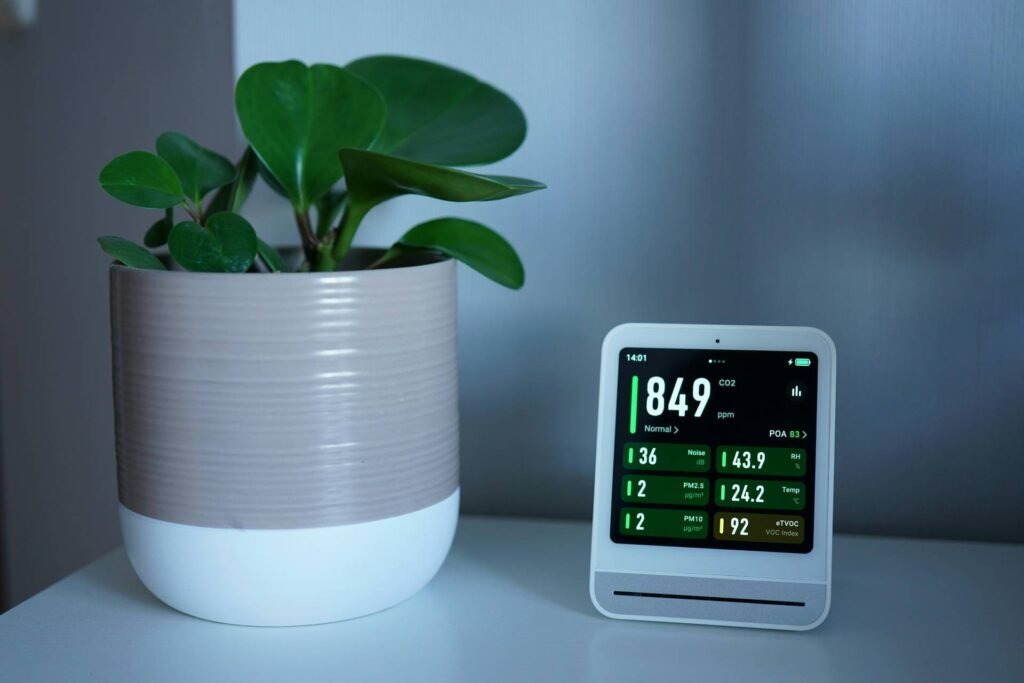
- Monitor indoor air freshness
Small improvements add up. Over time, they create a noticeable difference in how your home feels.
The Long-Term Value of Better Air Quality
Air quality improvements deliver lasting benefits. They do not fade after a season or depend on constant adjustment.
Homes with good indoor air quality benefit from:
- Consistent comfort throughout the year
- Lower energy use over time
- Reduced strain on home systems
- A healthier living environment
Comfort becomes predictable rather than reactive. Rooms feel balanced. Air feels light and breathable. Temperature remains stable.
This is the point where climate comfort becomes effortless.
Why Air Quality Deserves Equal Attention
Heating and cooling systems often receive the most attention in home comfort planning. Air quality is just as important, yet far less discussed.
A truly comfortable home is not defined by temperature alone. It is defined by how the air feels, how evenly it moves, and how well it supports daily living.
When air quality improves, everything else works better. This is why indoor air quality is your key to climate comfort, not an optional upgrade.
Conclusion:
Home comfort is not a single setting or system. It is the result of balanced air, stable temperature, and a healthy indoor environment.
Better air quality transforms how your home feels. It supports health, improves efficiency, and creates a calm, comfortable space in every season. Most importantly, it allows heating and cooling systems to do their job properly.
If comfort has felt inconsistent or difficult to maintain, the solution may not be a new system or higher settings. It may simply be better air.
Because when it comes to lasting comfort, the air you breathe matters more than you think.