
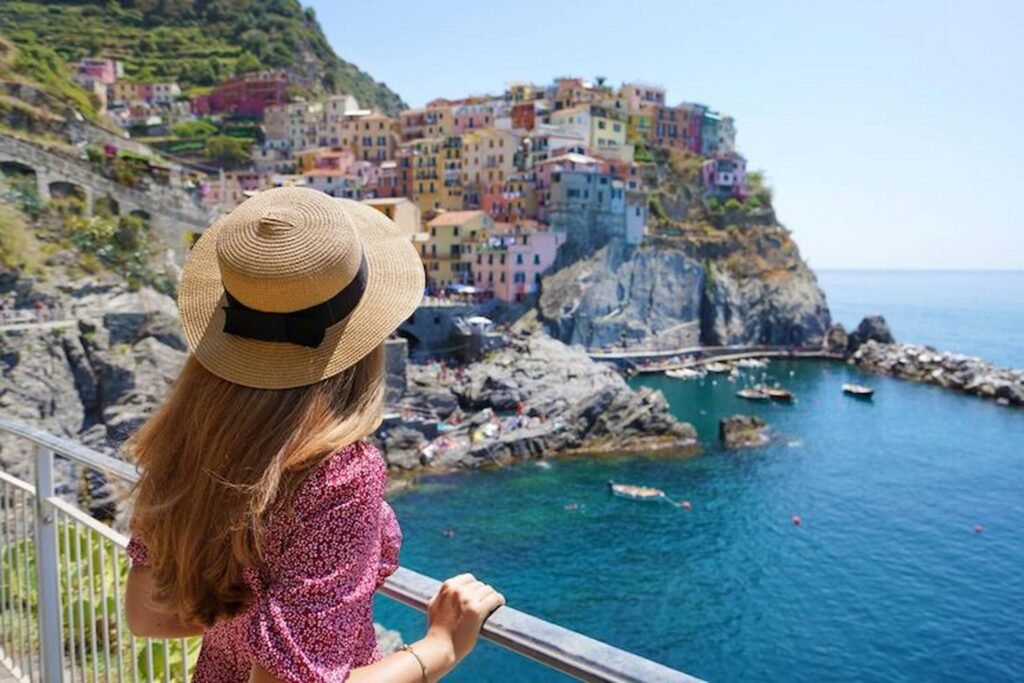
Ready to explore Europe as locals do? Step into quiet neighbourhoods, family-run eateries, artisan districts, and scenic corners that rarely appear on tourist maps. This insider guide reveals the places where everyday life unfolds—rich with culture, tradition, and character—helping you experience a more authentic, meaningful journey across the continent.
Introduction
Travelling through Europe becomes far more rewarding when you step beyond the well-known landmarks and embrace the slower rhythms of everyday life. For anyone interested in solo travel, this approach offers the chance to explore more freely and connect with each destination in an authentic way. Locals experience their cities through neighbourhood cafés, weekly markets, wooded trails, evening social traditions, and quiet streets full of history but untouched by heavy tourism. Discovering these lesser-known spaces allows you to engage with Europe on a deeper, more personal level.
In this guide, you’ll wander through atmospheric towns, creative districts, rural escapes, and neighbourhoods shaped by centuries of culture. Along the way, you’ll gain practical tips on etiquette, transport, supporting small businesses, and blending into local routines respectfully.
Seeing Europe Through Local Eyes
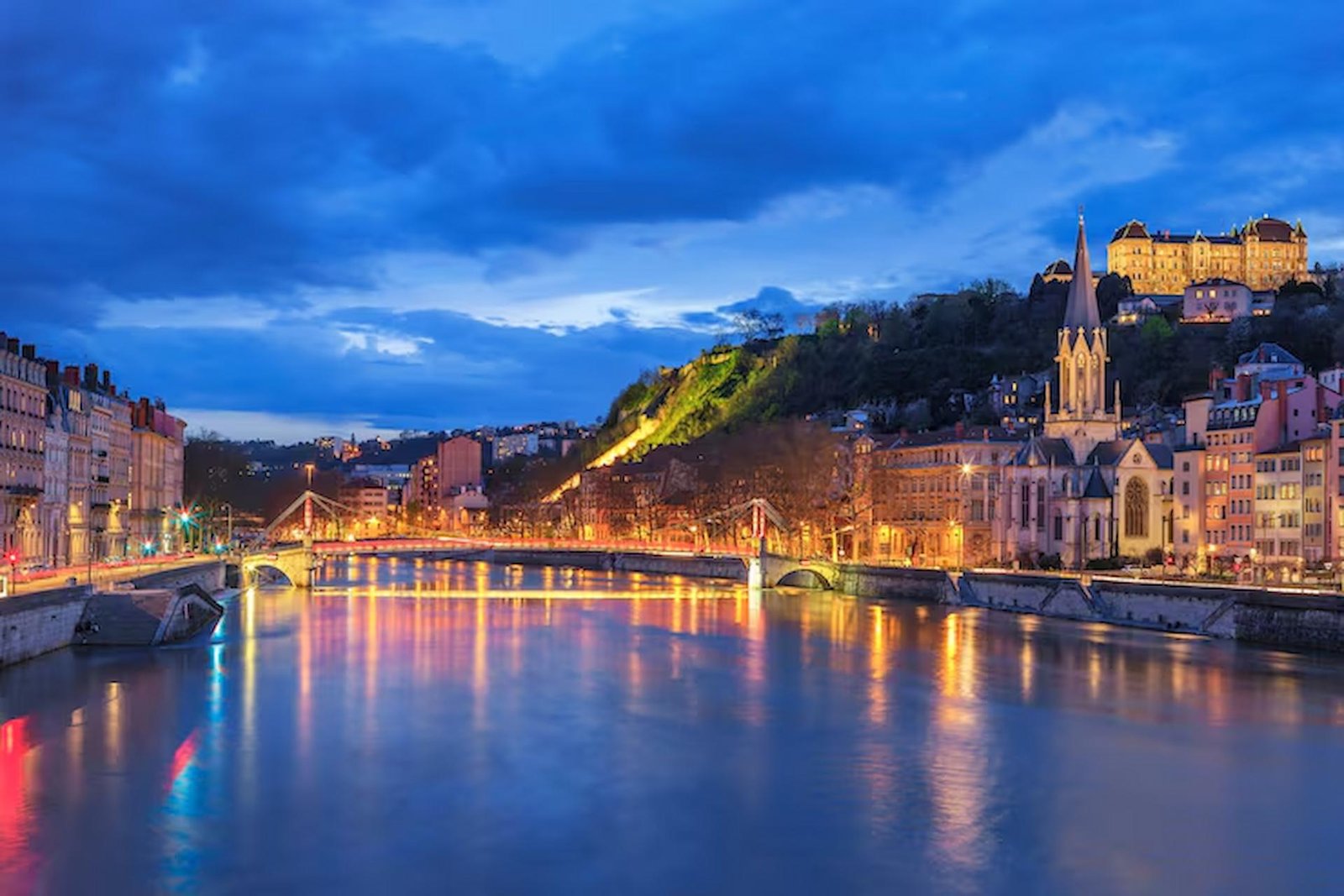
Exploring Europe as locals do invites a richer understanding of each destination. It pushes you to slow down, notice details, and value the cultural nuances beneath the surface. According to the European Travel Commission, more than 60% of travellers now seek authentic cultural experiences, reflecting a growing desire to step away from crowded hotspots.
This approach encourages meaningful interactions—greeting shopkeepers, navigating neighbourhood markets, or enjoying seasonal dishes tied to local traditions. It also supports sustainable travel by spreading visitors across lesser-known areas, reducing pressure on famous sites, and helping small businesses thrive.
Hidden European Places Locals Cherish
Below are towns and districts that reveal the quieter, more intimate side of Europe. Each offers its own flavour, traditions, and scenic corners that encourage slow, immersive exploration — perfect for travellers seeking meaningful places to visit in europe.
Girona, Spain — A Medieval Gem with Everyday Warmth
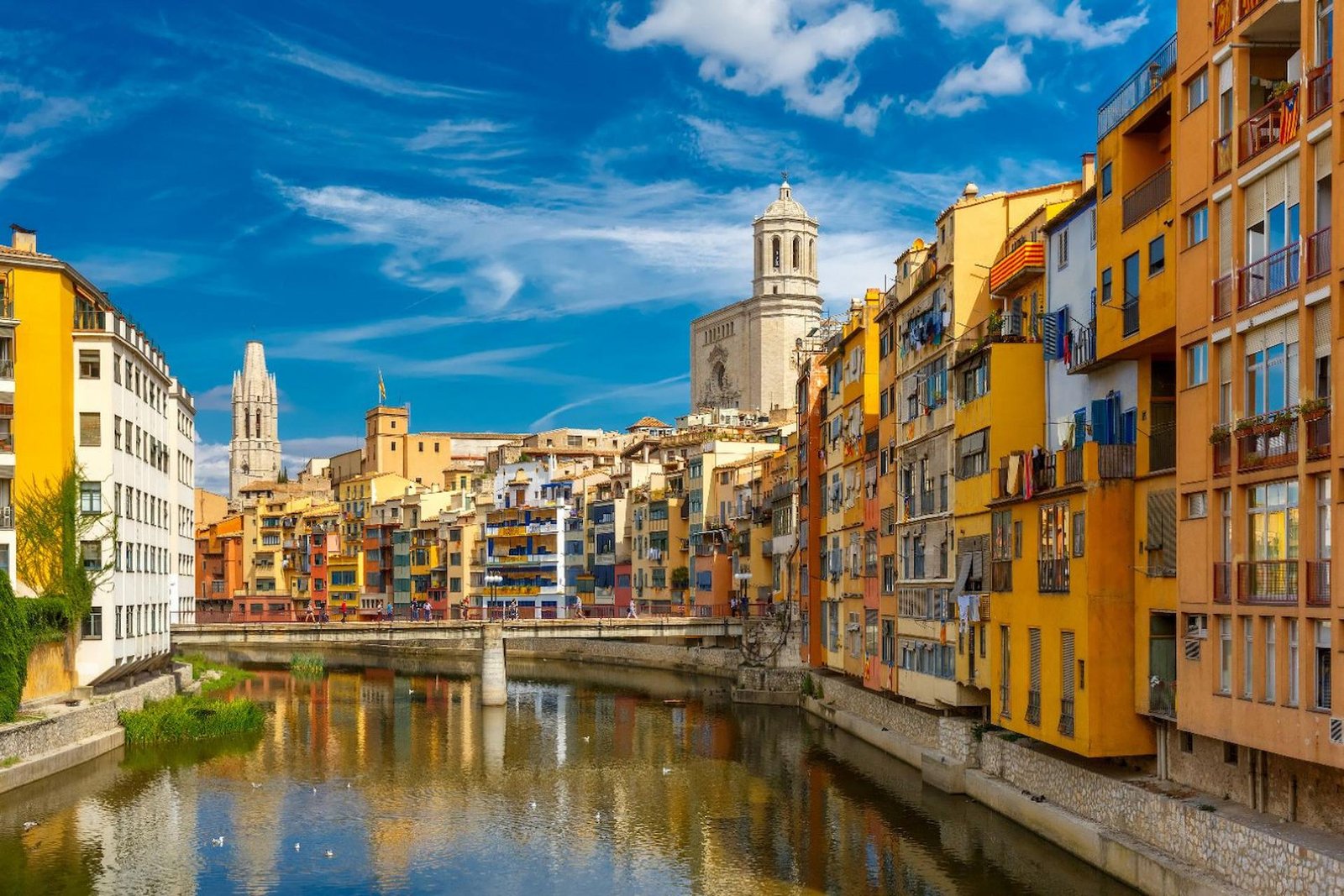
Just under an hour from Barcelona, Girona offers a calmer, more historic atmosphere. Locals enjoy its walkable old town, creative food culture, and riverside views.
Why it’s special:
Girona blends medieval streets, ancient city walls, pastel-coloured houses, and some of Catalonia’s best traditional bakeries. It has all the charm of a major city but with the tranquillity of a well-preserved heritage town.
Local experiences to try:
- Walk the early-morning streets of the Barri Vell
- Enjoy a Catalan pastry such as xuixo at a family-run café
- Take in panoramic views from the old city walls
Tip: Use local greetings like Bon dia—it’s appreciated in Catalan culture.
Matera, Italy — Timeless Cave Dwellings with Modern Spirit
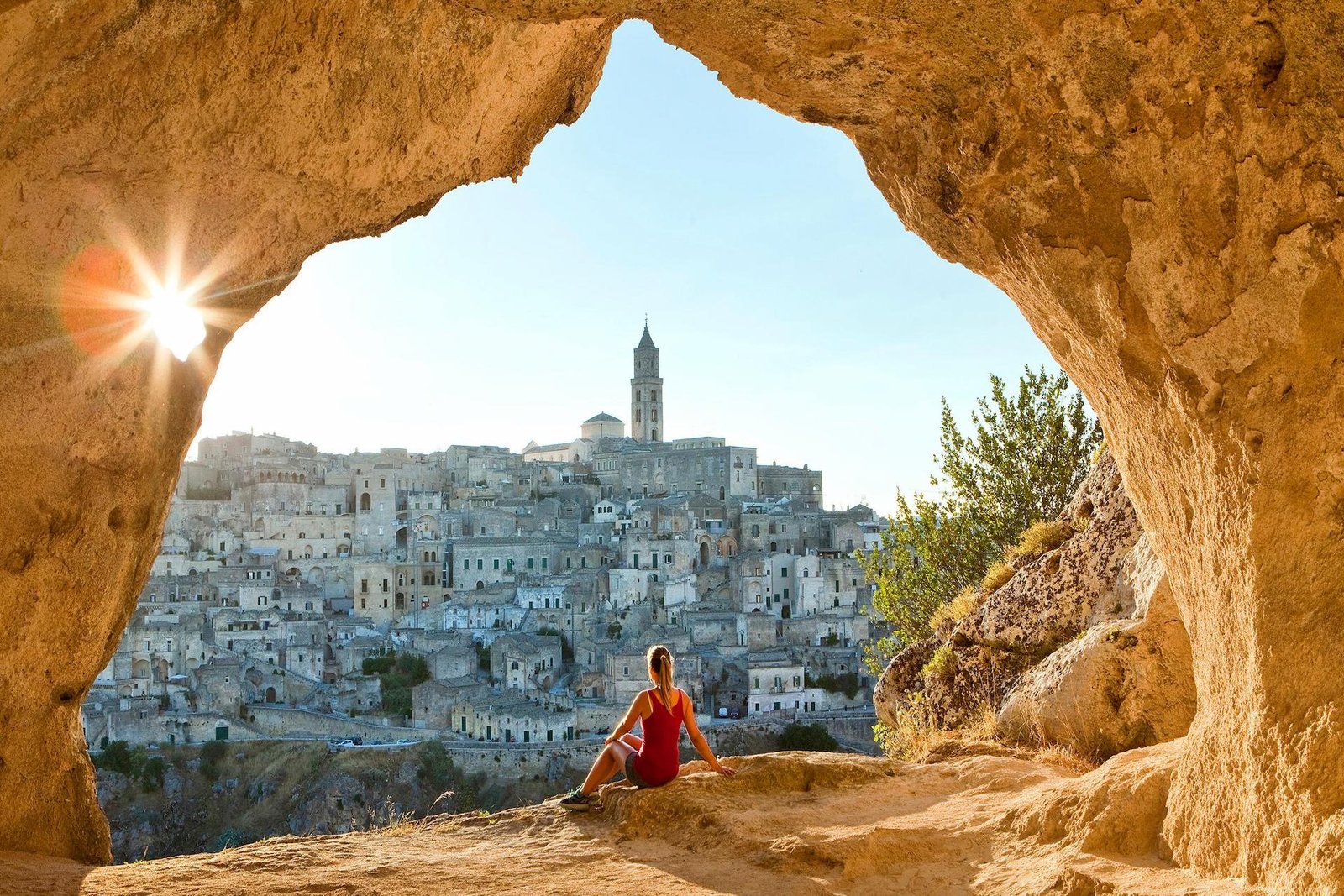
Matera’s cave districts, known as the Sassi, create one of Europe’s most atmospheric landscapes. Once silent, they now host artisan studios, intimate eateries, and boutique lodgings.
A unique atmosphere you won’t find elsewhere:
Matera feels like stepping into living history. Its cave dwellings reflect thousands of years of adaptation, resilience, and craftsmanship.
Local experiences:
- Join a bread-making demonstration to witness centuries-old techniques
- Eat in a family-run trattoria built into the rock
- Wander through the lesser-visited caves at golden hour
Tip: Streets are steep; choose comfortable shoes for exploring.
Timișoara, Romania — A Cultural Capital Full of Colour
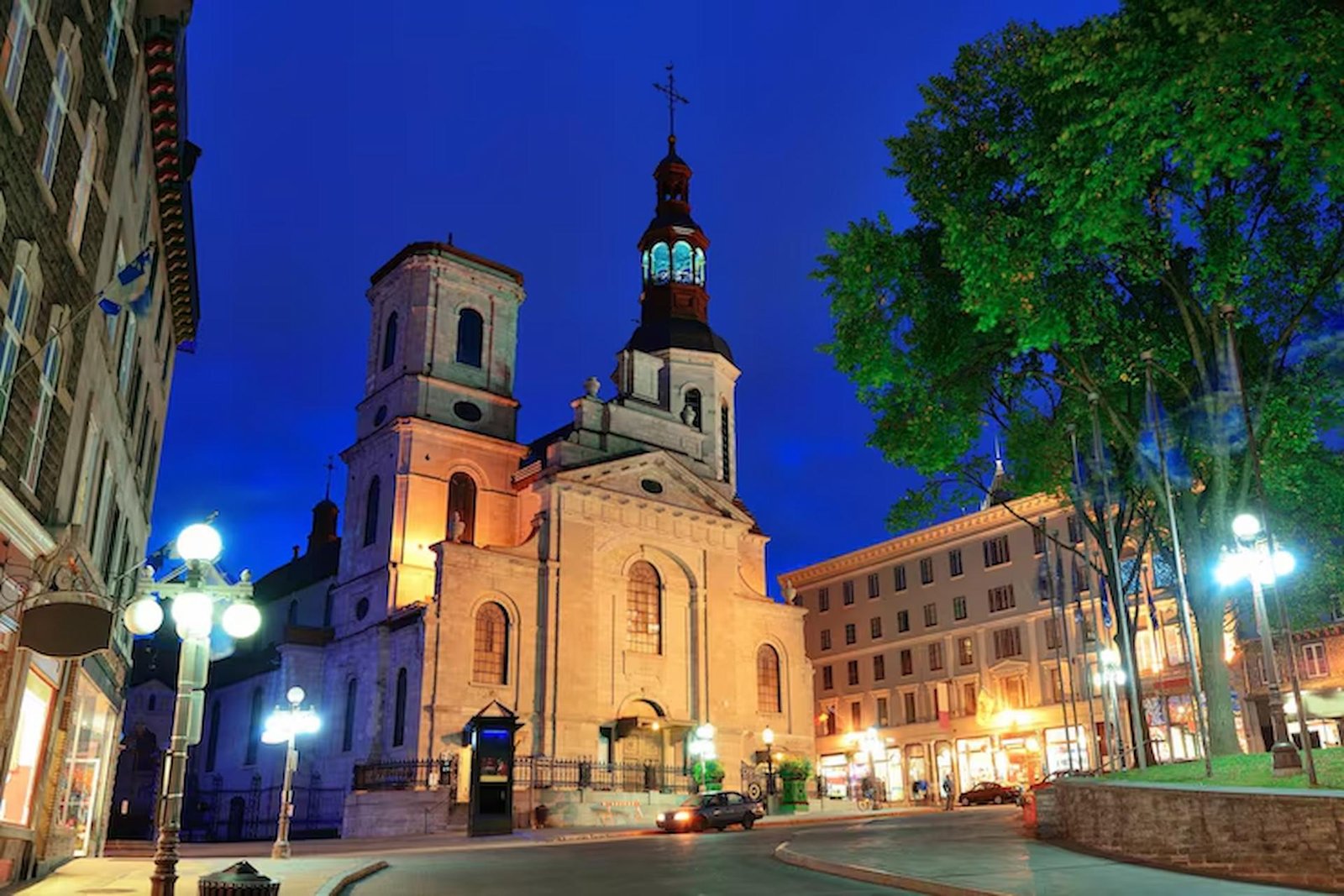
Often overlooked compared to Western European cities, Timișoara showcases multicultural charm, art-filled squares, and a thriving café culture.
What gives this place its charm:
The city blends Habsburg heritage with modern creative energy. Locals enjoy vibrant public squares, community events, indie theatres, and riverside hangouts.
Local experiences:
- Enjoy a relaxed evening in Unirii Square
- Visit micro-breweries in the Fabric district
- Cycle along the Bega River, a favourite route among residents
Etiquette: Polite greetings and modest attire in churches are appreciated.
Alsace’s Quiet Villages, France — Storybook Beauty Without Tour Buses

Beyond Colmar, smaller villages like Eguisheim, Kaysersberg, and Turckheim offer the full fairytale experience but with fewer crowds.
Why locals love it:
These villages preserve half-timbered houses, family vineyards, cobbled lanes, and traditional pâtisseries. The pace is gentle, and seasonal festivals keep old traditions alive.
What to do:
- Taste wines in small, family-operated cellars
- Try a freshly baked kougelhopf
- Wander forest trails linking the villages
Best season: Late September brings harvest celebrations, crisp air, and colourful vineyards.
Sáska Valley, Hungary — Rustic Scenery and Vineyard Culture
Located near Lake Balaton but far from its busiest areas, the Sáska Valley is ideal for travellers seeking nature and rural tranquillity.
What sets this area apart:
Volcanic hills, quiet vineyards, local farms, and peaceful trails offer a slower, nature-driven experience. Residents hike, forage, cycle, and enjoy open landscapes with minimal crowds.
Local highlights:
- Stop by family farms for cheese or seasonal produce
- Enjoy vineyard tastings with small producers
- Walk trails leading to hilltop viewpoints
Safety note: Trails can be uneven—check weather before trekking.
Neighbourhoods Locals Actually Call Home
Some of Europe’s most revealing experiences come from exploring neighbourhoods where daily life unfolds. These areas offer cultural depth, creativity, and an authentic glimpse of local lifestyles.
Kreuzberg, Berlin — Diversity and Creativity on Every Corner
Kreuzberg is a cultural crossroads that blends art, migration, activism, and alternative lifestyles.
Why locals love it:
It’s one of Berlin’s most dynamic areas—full of street food, indie bookshops, canal-side hangouts, and community markets.
Things to try:
- Browse the Turkish market at Maybachufer
- Relax by the canal with locals after sunset
- Explore second-hand boutiques and art spaces
Etiquette: Berliners value personal space—avoid interrupting conversations or standing too close.
Gràcia, Barcelona — A Village Within a City
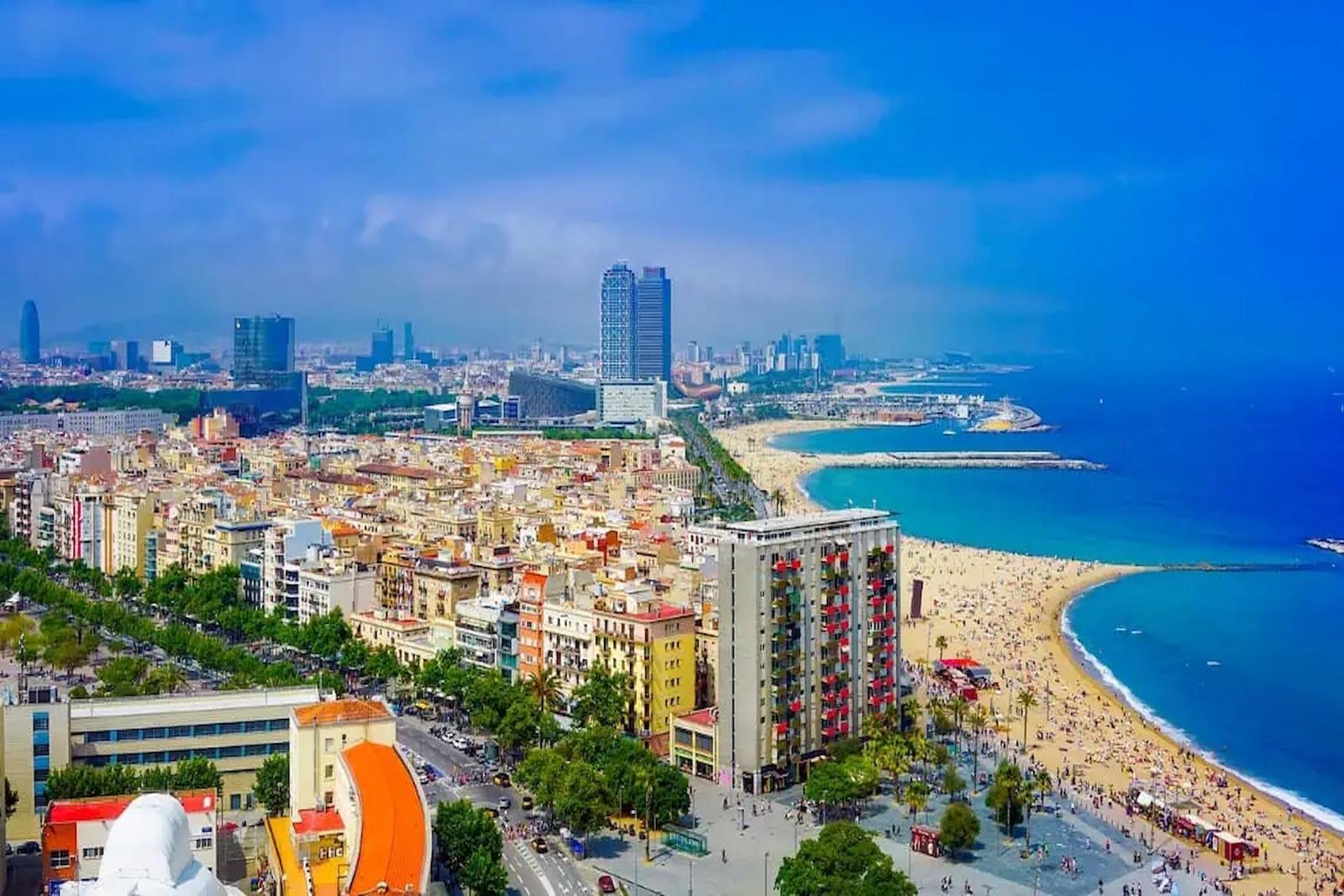
Gràcia feels like its own small town, even though it sits inside a major metropolitan area.
What gives this district its character:
Sunlit plazas, artistic workshops, family eateries, and narrow streets make it one of Barcelona’s most beloved neighbourhoods.
Local experiences:
- Join Sunday vermouth hour, a Catalan ritual
- Spend an evening at Plaça del Sol
- Visit neighbourhood craft and eco markets
Tip: It’s best explored on foot—taxis rarely navigate narrow lanes easily.
De Pijp, Amsterdam — A Refreshing Break from the Canal Crowds

De Pijp is lively, multicultural, and packed with independent cafés and eateries.
What sets it apart:
It offers an authentic view of daily Amsterdam life, far from tourist-heavy canal zones. Locals enjoy global food stalls, neighbourhood parks, and casual dining.
Local favourites:
- Try street food at Albert Cuyp Market
- Enjoy Surinamese dishes unique to Dutch multiculturalism
- Relax in Sarphatipark with residents
How to Blend In: A Traveller’s Guide to Respectful Local Exploration
Travelling like a local requires attentiveness and cultural sensitivity. Here are key principles that help you move confidently through Europe’s neighbourhoods.
Learn Basic Phrases
Simple greetings—merci, grazie, hola, danke—create immediate rapport. Locals often appreciate even minimal effort.
Observe Before Participating
In cafés, markets, or public squares, notice how residents behave:
- How they queue
- How they speak to shopkeepers
- How much personal space they keep
This helps you avoid misunderstandings.
Dress Thoughtfully in Rural or Religious Areas
Keep a scarf or light cover-up for visiting churches, mosques, or traditional villages.
Support Small Businesses
Opt for family-run cafés, independent bakeries, and artisan studios. Your spending directly benefits local communities.
Use Public Transport Confidently
Europe’s transit etiquette differs by region:
- Germany values quiet zones
- Italy welcomes conversation
- The Netherlands emphasises punctuality and validated tickets
Respect Heritage and Nature
Avoid touching ancient frescoes, stay on marked trails, and do not remove plants or stones—many sites are protected.
Simple Local Experiences Many Travellers Miss
Often, authenticity lies not in grand attractions but in everyday routines.
Neighbourhood Markets
Markets reveal seasonal produce, local interactions, and culinary habits. Try Testaccio Market in Rome, Laiki Markets in Athens, or Mercado do Bolhão in Porto.
Family-Owned Eateries
Look for simple décor, handwritten menus, and locals chatting loudly—that’s where the best traditional meals are found.
Local Festivals
Small celebrations—wine harvests, night markets, craft fairs—offer intimate cultural access.
Scenic Corners Locals Keep Quiet
From Barcelona’s Montjuïc Gardens to Norway’s Ringerike Lakes, some of the most beautiful spots rarely appear in travel guides.
Practical Tips for an Enjoyable Local-Style Journey
Transport
Use regional trains for scenic routes through villages and countryside. In cities, choose walking or cycling to experience life up close.
Safety
Europe is generally safe, but stay alert in busy urban areas where pickpocketing occurs. Offbeat towns are typically peaceful.
Money
Card payments are widely accepted, but rural markets may require cash. Carry small notes for bakeries and family shops.
Best Seasons
- Spring: Festivals and mild weather
- Autumn: Harvest season and cultural events
- Winter: Authentic Christmas markets
- Summer: Lively evenings and outdoor dining
Conclusion
Exploring Europe like a local transforms your journey from a simple checklist of popular attractions into a deeper, more personal encounter with culture, community, and everyday life. When you choose neighbourhood bakeries over chain cafés, wander through quiet districts instead of crowded plazas, or pause to learn a greeting in the local language, you step into a more honest rhythm—one that locals experience daily. These moments invite genuine connection and allow you to appreciate the subtleties of each place, from regional flavours to social customs that have shaped communities for centuries.
By spending your time and money thoughtfully, you help small businesses thrive and support local traditions that might otherwise fade under the pressure of mass tourism. At the same time, you gain a richer understanding of Europe’s layered history, diverse identities, and living heritage. Hidden squares, artisan studios, forest trails, and family-run eateries offer stories that guidebooks often miss—stories that stay with you long after the holiday ends.
Ultimately, travelling like a local is about presence, curiosity, and respect. It encourages slow exploration, meaningful interaction, and a willingness to embrace unfamiliar routines. Whether you’re sipping vermouth in a sunlit plaza, listening to church bells echo through a medieval lane, or joining a neighbourhood market at dawn, these small experiences build a journey that feels genuine and deeply rewarding. They turn your travels into something more than sightseeing—they become a lifelong connection to the places and people who make Europe extraordinary.