
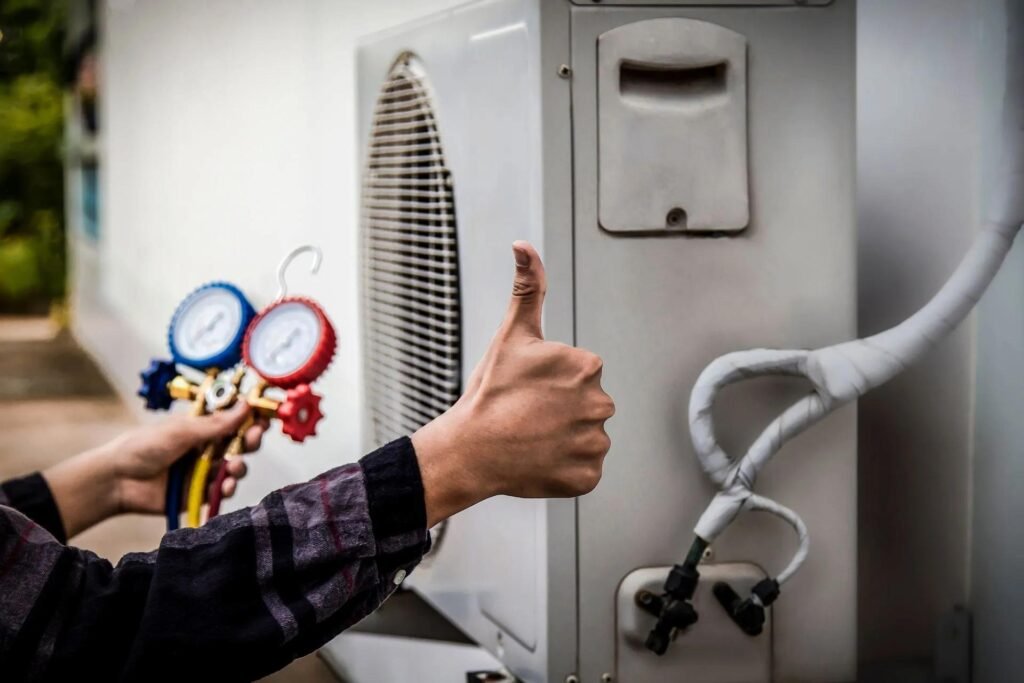
A reliable heating and cooling system plays a central role in home comfort, safety, and energy efficiency. Whether it is the peak of summer or the middle of winter, homeowners depend on their HVAC systems to maintain steady indoor conditions. Yet many systems fail earlier than expected because routine care is overlooked. Reliable HVAC care does not require technical expertise. It requires consistency, awareness, and informed decision-making. This checklist is designed to help homeowners understand what responsible HVAC care looks like and how to maintain long-term system performance without unnecessary stress or cost.
Understand Your HVAC System Basics
Every homeowner should have a basic understanding of how their HVAC system operates. Knowing whether your home uses a split system, a heat pump, or a packaged unit helps you respond appropriately to performance issues. Familiarity with system components such as the thermostat, air handler, outdoor condenser, ductwork, and vents makes it easier to notice early warning signs.
Understanding your system’s age is also important. Most residential HVAC systems last between 12 and 20 years, depending on usage, maintenance, and climate. Keeping records of installation dates, previous repairs, and service visits gives you context when performance changes occur. This knowledge enables you to make timely decisions rather than react in emergencies.
Check and Replace Air Filters Regularly
Air filters play a critical but straightforward role in HVAC performance. A clogged or dirty filter restricts airflow, forcing the system to work harder than necessary. This increases energy use and accelerates wear on internal components. Poor filtration can also reduce indoor air quality by allowing dust, allergens, and debris to circulate through the home.
Most standard filters should be checked every month and replaced every one to three months, depending on household conditions. Homes with pets, allergy concerns, or high dust levels may require more frequent replacement. A clean filter supports proper airflow, protects the system, and helps maintain consistent temperatures throughout the home.
Keep Vents and Registers Clear
Supply and return vents are often overlooked during routine home cleaning. Furniture, rugs, and curtains can block airflow without homeowners noticing. When ducts are obstructed, air distribution becomes uneven, creating hot and cold spots in different rooms.
As part of reliable HVAC care, walk through the home periodically to ensure all vents are open and unobstructed. This allows the system to operate efficiently and maintain balanced airflow. Clear vents also reduce strain on the blower motor, supporting longer equipment life.
Monitor Thermostat Performance
The thermostat serves as the control center for your HVAC system. If it is not working correctly, even a well-maintained system can struggle. Pay attention to temperature accuracy, delayed system response, or frequent cycling on/off.
Smart and programmable thermostats can improve energy management, but only if they are set correctly. Avoid extreme temperature changes that force the system to run constantly. Instead, use gradual adjustments and consistent schedules. If you notice irregular behavior, calibration or replacement may be necessary to maintain reliable performance.
Listen for Unusual Noises
HVAC systems make normal operational sounds, but unusual noises should not be ignored. Rattling, grinding, squealing, or banging sounds often indicate loose components, worn belts, or motor issues. These sounds rarely resolve on their own and may worsen over time.
Early detection of anomalous noise can prevent minor issues from becoming major failures. In many cases, homeowners who schedule timely assessments avoid emergency breakdowns during high-demand seasons. This proactive approach supports system reliability and reduces unexpected repair costs.
Pay Attention to Energy Bills
A gradual increase in energy bills may indicate declining HVAC efficiency. While seasonal changes affect energy use, sudden or unexplained spikes often indicate underlying issues. Dirty coils, refrigerant issues, or failing components can all reduce system efficiency.
Comparing monthly energy usage year over year helps identify patterns. If higher costs persist despite similar weather conditions, further evaluation may be needed. Addressing efficiency concerns early can restore performance and reduce long-term operating expenses.
Inspect Outdoor Units and Surrounding Areas
The outdoor unit plays a vital role in heat exchange. Leaves, dirt, and debris can accumulate around the condenser, restricting airflow and reducing efficiency. Homeowners should routinely check the area around the unit and maintain at least two feet of clear space on all sides.
Visual inspections can also reveal signs of damage, such as bent fins or loose panels. While homeowners should not attempt internal repairs, keeping the exterior clean supports proper operation. In areas where professional assessment is required, homeowners may consult qualified technicians experienced in HVAC repair in Rocklin, CA, to evaluate outdoor unit performance when issues arise.
Schedule Professional Inspections Periodically
Even with careful homeowner maintenance, professional inspections remain essential. Trained technicians can identify issues that are not visible or audible to homeowners. They check electrical connections, refrigerant levels, safety controls, and overall system health.
Routine inspections are best scheduled before peak heating or cooling seasons. This timing allows potential issues to be addressed before the system is under heavy demand. Regular professional assessments support consistent performance and reduce the likelihood of sudden failures.
Maintain Ductwork Integrity
Ductwork delivers conditioned air throughout the home. Leaks, gaps, or damaged insulation can reduce efficiency and compromise indoor comfort. Signs of duct issues include uneven temperatures, excessive dust, and higher energy bills.
Homeowners should visually inspect accessible duct sections and watch for loose connections or visible damage. Professional duct evaluations may be needed for hidden areas. Well-maintained ductwork ensures that conditioned air reaches its intended destination without unnecessary loss.
Watch for Moisture and Drainage Issues
HVAC systems produce condensation as part of regular operation. When drainage lines become clogged or damaged, moisture can accumulate, leading to secondary issues. Water pooling near the indoor unit, musty odors, or increased humidity levels may indicate drainage issues.
Routine checks of drain lines and surrounding areas help prevent water damage and mold growth. Keeping drainage pathways clear supports system health and protects the home environment.
Respond Promptly to Performance Changes
One of the most important aspects of reliable HVAC care is responsiveness. Small changes in system behavior should not be ignored. Reduced airflow, inconsistent temperatures, or frequent cycling often signal developing issues.
Addressing concerns early allows for simpler solutions and minimizes disruption. Delaying action may result in more complex repairs and reduced system lifespan. Homeowners who remain attentive to system performance are better positioned to maintain long-term reliability.
Keep Records and Documentation
Maintaining organized HVAC records provides valuable insight over time. Service reports, inspection notes, warranty documents, and repair histories help track system performance and guide future decisions. This information is beneficial when evaluating whether to repair or replace aging equipment.
Documentation also supports clear communication with service professionals. Accurate records reduce guesswork and ensure that recommendations are based on the system’s actual history rather than assumptions.
Adopt a Long-Term Care Mindset
Reliable HVAC care is not about reacting to breakdowns. It is about adopting a long-term mindset focused on prevention, awareness, and consistency. Small, routine actions collectively support system efficiency, comfort, and durability.
Homeowners who follow a structured care checklist experience fewer surprises and greater confidence in their systems. By staying informed and attentive, it is possible to extend system life, manage energy costs, and maintain a comfortable indoor environment year after year.
Ultimately, responsible HVAC care reflects thoughtful homeownership. It protects one of the most critical systems in the home and ensures comfort when it matters most.